
Biography
Ricardo Libório
Ricardo Libório is a black belt trained on the Carlson Gracie team and cofounder of Brazilian Top Team and American Top Team. The host of Pura Connection remembers that, among Carlson's students, he was always cited as one of the toughest. Sérgio Bolão calls him the king of the arm and says Libório was his yardstick in training.
Libório says he started in judo at 4, went through taekwondo and boxing and only came to jiu-jitsu because of his first girlfriend: her uncle was Rosado, who told him to train. Rosado says it was he who brought him and that Libório learned the heel hook from him. Ricardo De La Riva remembers Libório was his student at Carlson's academy, and Libório says he went along when De La Riva opened his own academy. At Carlson's academy, he says, you either quit or came back the next day to get better.
In 1991, says Fábio Gurgel, Carlson trained a team for six months with Libório, Murilo, Zé Mário and Amaury for the challenge against vale-tudo. He says he was Brazilian and world champion and competed in ADCC. Léo Castelo Branco says he scored two points on him in 1993, when nobody had scored, and Eduardo Gavião goes further and says Castelo beat Libório. In the first Worlds final, however, according to Castelo, Libório won with a takedown. Zé Mário says that, at the masters ADCC, the two drew 0-0 in half an hour and Libório won on the decision.
He says he was a civil servant at Banco do Brasil and, at 28, quit the job and put his severance fund into jiu-jitsu. His mother was against it. At 35, already in the United States, he called to say he was buying his first house. He went through BTT and ATT and, for years, traveled every weekend with fighters, more than 100 in total. He says it was hard to be a Brazilian leading an American team.
Today, he says, he created with Dr. Fukuda a jiu-jitsu course for credit at the University of Central Florida, and the club he opened there with six students grew to 750 members. He promotes the kids on Mother's Day, with the mothers handing over the belts. His rule for leading, he says, is to treat others as he would like to be treated.
Biography compiled by Gabriel Guimarães from 28 interviews · updated Nov 21, 2026
Vídeos no Instagram
@liboriobjj THIS IS NOT JUST ANOTHER SEMINAR. THIS IS JIU-JITSU HISTORY.
 🇧🇷 Filmado pelas lentes do saudoso Paquetá, o #TBT de hoje chega com @r_arona sendo entrevistado por um @liboriobjj na forma de um...
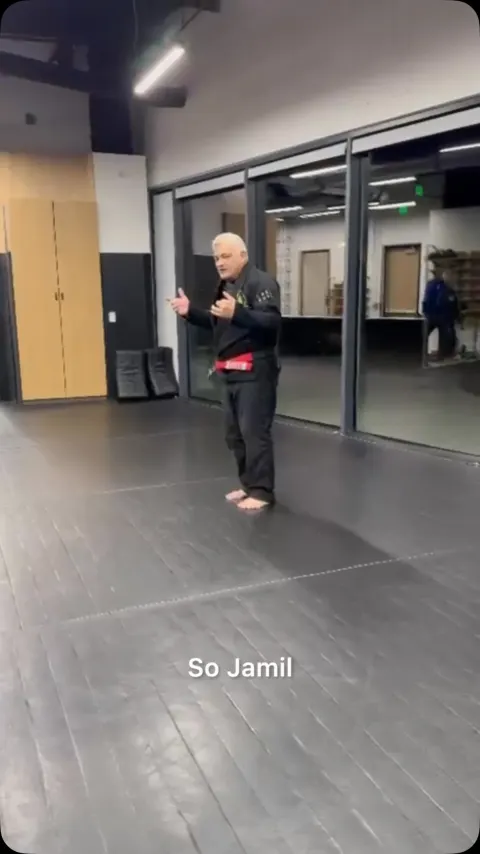 🇺🇸Today, at 5 AM, the mats at Martial Arts Nation Lake Nona became the setting for a very special moment.
 💛 It looks like play, but it is teamwork.
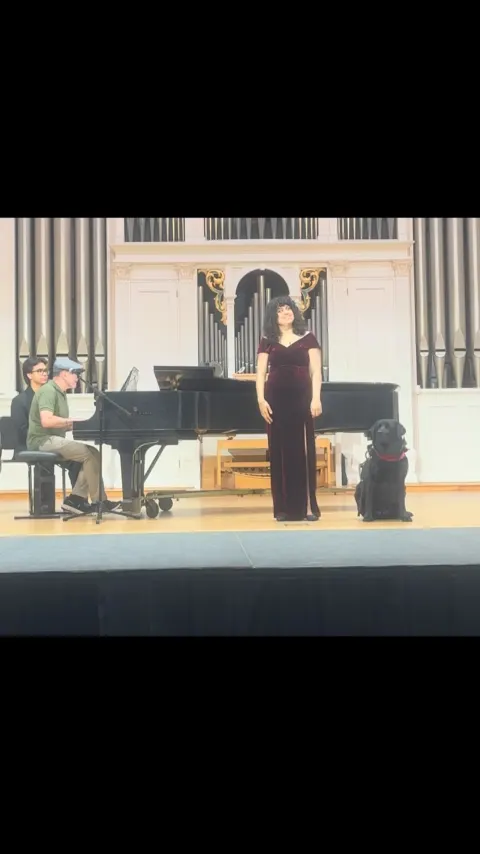 Last night we attended “An Evening with Composer Ricky Ian Gordon” at Stetson University where B performed his piece “The Special...
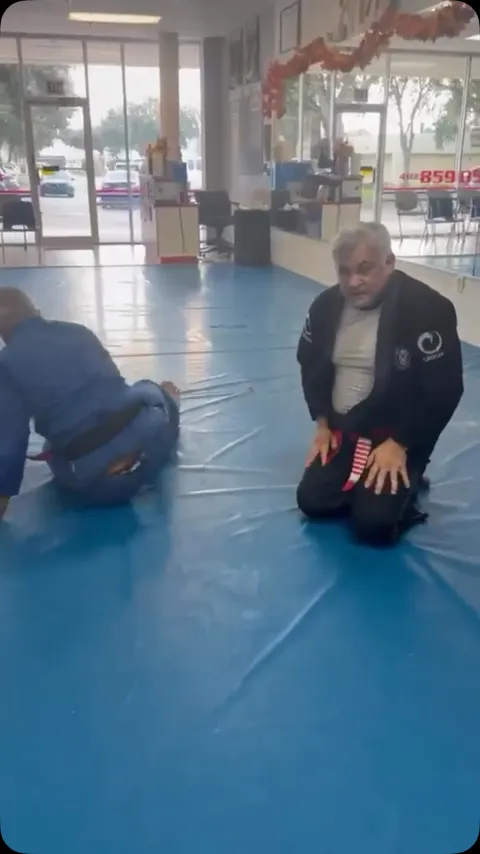 🥋 Today’s TBT takes us back to Mestre Libório’s most recent seminar at Championship Martial Arts Conway, where we had the opportunity to...
 🥋 Brazilian Jiu-Jitsu goes far beyond the mats!
Fotos no Instagram
@liboriobjj

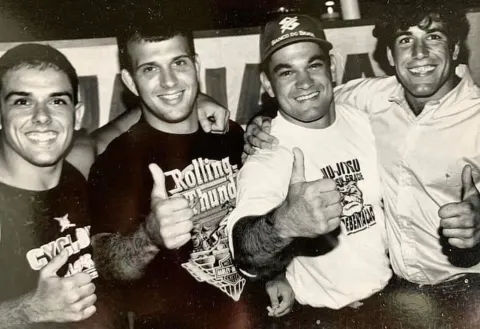
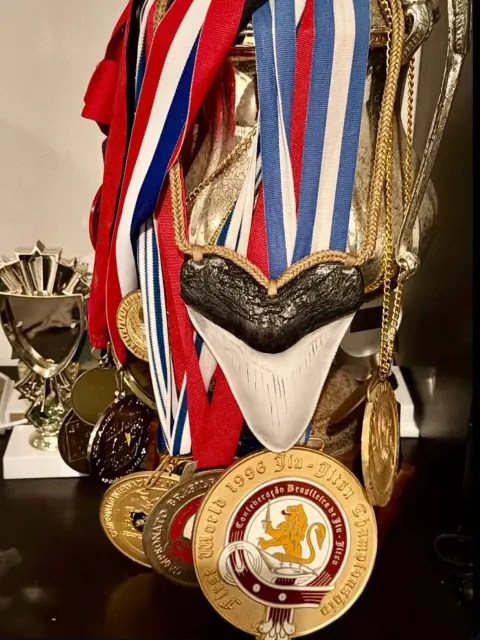
Timeline
According to Fábio Gurgel, Carlson Gracie took over the jiu-jitsu team's training for six months, bringing together rivals such as Amaury, Murilo, Zé Mário and Libório; jiu-jitsu won 3 to 0, in fights without gloves, half an hour long and with no rounds.
With Fábio Gurgel, Amaury Bitetti, Murilo Bustamante, Zé Mário Sperry, Ricardo LibórioTold by Fábio Gurgel on Podcast Nem Me Viu · 0:53:29 · read the articleFábio Gurgel said that, a rival of Carlson Gracie's academy his whole life, he was trained by Carlson for six months for the 1991 vale-tudo, alongside Murilo, Libório and Zé Mário.
With Carlson Gracie, Murilo Bustamante, Ricardo Libório, Zé Mário SperryTold by Fábio Gurgel on Connect Cast · 0:14:11 · read the articleAccording to Léo Castelo Branco, when he faced Libório in 1993, Carlson Gracie said Libório was the fighter being groomed, and Royler Gracie said in an interview that Rickson was going to scrub the mat with Libório's face.
With Leonardo Castelo Branco, Carlson Gracie, Royler Gracie, Rickson GracieTold by Leonardo Castelo Branco on Connect Cast · 1:09:07 · read the articleAccording to Léo Castelo Branco, he scored two points on Libório, who until then had never given up a point in his fights.
With Ricardo LibórioTold by Leonardo Castelo Branco on Connect Cast · 1:12:19 · read the articleAccording to Léo Castelo Branco, he and Libório fought the final of the first Worlds, which he places in 1996. Libório won with a takedown and Renzo Gracie was the referee.
With Leonardo Castelo Branco, Renzo GracieTold by Leonardo Castelo Branco on Connect Cast · 1:13:34 · read the articleAccording to Marcelo Alonso, in Japan, in 1996, Ricardo Libório submitted the students of a Japanese master about eight times, and the master later said he would go back to wearing a white belt and told his students to do the same.
With Carlson GracieTold by Marcelo Alonso on Pura Connection · 1:04:30 · read the articleZé Mário Sperry said he returned to ADCC for the masters' fights, against Renzo Gracie in 2011 and Fábio Gurgel in 2013, and that he drew 0-0 over half an hour with Ricardo Libório, who won on the judges' decision.
With Renzo Gracie, Fábio Gurgel, Ricardo LibórioTold by Zé Mário Sperry on Pura Connection · 0:47:45 · read the article
Stories told
According to Leão Teixeira, at the first jiu-jitsu World Championship in Rio, Carlson was against the organizers and there was a threat of a boycott. Leão asked Carlinhos for carte blanche and invited Carlson onto the board, and says he saw Carlson pull Libório out of the area. Before that, he and Chico Mansur had been mediating a fight between Carlinhos and Robson.
With Leão Teixeira, Carlos Gracie Júnior, Robson Gracie, Francisco Mansur, Ricardo LibórioTold by Leão Teixeira on Pura Connection · 0:45:04 · read the articleAccording to Sérgio Bolão, Libório was among the best finishers at Carlson's academy and took the arm and swept like no one else.
With Carlson GracieTold by Sérgio Bolão on Pura Connection · 0:53:40 · read the articleAccording to Pedro Valente, his father considered Carlson Gracie the most complete fighter, standing and on the ground. Pedro says great people came out of Carlson's academy, such as Libório, Zé Mário and Amaury.
With Pedro Valente (pai), Ricardo Libório, Zé Mário Sperry, Amaury BitettiTold by Pedro Valente on Pura Connection · 0:30:22 · read the articleEduardo Gavião said Leonardo Castelo Branco, a student of Pinduca, beat Ricardo Libório when Libório had never lost; Carlson asked Castelo to fight the absolute, but Pinduca preferred to take him home.
With Ricardo Libório, Pinduca, Carlson GracieTold by Eduardo Gavião on Pura Connection · 1:19:19 · read the articleRicardo Libório said he was a civil-service employee at Banco do Brasil, passed the exam for manager and left the career to dedicate himself to jiu-jitsu, which was a calamity for the family.
Told by Ricardo Libório on Pura Connection · 0:41:51 · read the articleRicardo Libório said that at Carlson Gracie's academy there was no way to avoid getting beaten up, and that the choice was to quit or come back the next day to improve.
With Carlson GracieTold by Ricardo Libório on Pura Connection · 0:48:15 · read the articleAccording to Ricardo Libório, his idols and training partners on the Carlson team were names like Peixotinho, De La Riva, Pinduca, Murilo and Bolão.
With Peixotinho, Ricardo De La Riva, Pinduca, Murilo Bustamante, Sérgio BolãoTold by Ricardo Libório on Pura Connection · 0:48:48 · read the articleRicardo Libório said that training with Carlson Gracie in Rio was luck, and called Carlson a mentor and great maestro.
With Carlson GracieTold by Ricardo Libório on Pura Connection · 1:04:42 · read the articleRicardo Libório said he came up through the jiu-jitsu federation created by Carlinhos Gracie and became Brazilian champion, world champion and fought ADCC.
With Carlos Gracie JúniorTold by Ricardo Libório on Pura Connection · 1:06:17 · read the articleRicardo Libório said he went through the Carlson Gracie team, Brazilian Top Team and American Top Team, and that for years he traveled every weekend with fighters, more than 100 in total.
Told by Ricardo Libório on Pura Connection · 1:08:56 · read the articleRicardo Libório said that, with Dr. Fukuda, he created a jiu-jitsu course with academic credit at the University of Central Florida, which began with one class and today has six a week.
Told by Ricardo Libório on Pura Connection · 0:19:46 · read the articleAccording to Ricardo Libório, the Brazilian jiu-jitsu club he created with six students at the University of Central Florida became the university's biggest sports club, with 750 members.
Told by Ricardo Libório on Pura Connection · 0:20:49 · read the articleRicardo Libório said only 3% of jiu-jitsu practitioners compete regularly and the other 97% train as therapy or as an educational tool.
Told by Ricardo Libório on Pura Connection · 0:38:10 · read the articleRicardo Libório said he always holds the kids' belt promotions on Mother's Day, with mothers handing the belts to their children.
Told by Ricardo Libório on Pura Connection · 0:44:30 · read the articleRicardo Libório said he is opening an academy at Medical City in Orlando, in partnership with a neurologist who treats patients with Parkinson's and other neurological conditions, a project still in its testing phase.
Told by Ricardo Libório on Pura Connection · 0:51:56 · read the articleRicardo Libório said he was never the tough, scowling type, although technically he considered himself good, and that he learned because he had love, discipline and a student's mindset.
Told by Ricardo Libório on Pura Connection · 1:14:12 · read the articleAccording to Sérgio Bolão, Libório was his yardstick in training: if he submitted him three or four times in five minutes, it was great. Bolão calls him the king of the arm and recalls a scissor sweep with the knee in the armpit.
With Sérgio BolãoTold by Sérgio Bolão on Connect Cast · 0:56:33 · read the articleAccording to Bebeo Duarte, the leaders of Brazilian Top Team were himself, Murilo and Zé Mário, after Libório went to the United States with American Top Team.
With Murilo Bustamante, Zé Mário Sperry, Ricardo LibórioTold by Bebeo Duarte on Pura Connection · 0:05:11 · read the articleAccording to Vinicinho Cruz, Carlson Gracie solved in two minutes, with three moves, positions in which De La Riva, Murilo and Libório were stuck.
With Ricardo De La Riva, Murilo Bustamante, Ricardo LibórioTold by Vinícius Cruz on Pura Connection · 0:13:13 · read the articleAccording to Hélio Soneca, Gracie Barra started with a group of blue belts: he at bantamweight, Ralph at featherweight, Gordo at lightweight and Libório gaining weight and the absolute.
With Ralph Gracie, Roberto Gordo Correa, Ricardo LibórioTold by Hélio Soneca on Pura Connection · 0:04:52 · read the articleToco Albuquerque said that, at Carlson Gracie's academy, he was the smallest in a room with Libório, Murilo and other very strong athletes.
With Ricardo Libório, Murilo Bustamante, Carlson GracieTold by Toco on Pura Connection · 0:18:03 · read the articleThe host of Pura Connection said that, among Carlson Gracie's students, Ricardo Libório was always cited as one of the toughest.
With Carlson GracieTold by the host on Pura Connection · 1:28:41 · read the articleMarcelo Nigue said he doesn't consider himself a jiu-jitsu legend and that, for him, legends are Amaury Bitetti, Libório, Murilo and Renzo, whom he modeled himself after.
With Amaury Bitetti, Ricardo Libório, Murilo Bustamante, Renzo GracieTold by Marcelo Nigue on Pura Connection · 0:05:47 · read the articleAccording to Marcelo Nigue, the fight between Zé Mário and Libório, the main event of one ADCC edition, was booed because one kept pushing the other.
With Ricardo LibórioTold by Marcelo Nigue on Pura Connection · 0:24:50 · read the articleAccording to Rodrigo Medeiros, Ricardo Libório put jiu-jitsu in as a subject at the University of California San Diego.
Told by Rodrigo Comprido on Pura Connection · 1:51:20 · read the articleAccording to Ricardo Libório, he started in martial arts at 4, in judo. At 12 he switched to taekwondo, which didn't work out for him, then did boxing and only then arrived at jiu-jitsu.
Told by Ricardo Libório on Pura Connection · 0:04:52 · read the articleRicardo Libório said he came to jiu-jitsu because of his first girlfriend: her uncle was Rosado, who said he would have to start training. The following Monday he went to the academy.
With RosadoTold by Ricardo Libório on Pura Connection · 0:05:59 · read the articleAccording to Ricardo Libório, he entered the academy being considered Rosado's nephew, loved jiu-jitsu from the first class and the sport came easily to him.
With RosadoTold by Ricardo Libório on Pura Connection · 0:06:31 · read the articleRicardo Libório said he became very close friends with Ricardo De La Riva and that, when De La Riva opened his own academy, he went along with him to help.
With Ricardo De La RivaTold by Ricardo Libório on Pura Connection · 0:07:05 · read the articleAccording to Ricardo Libório, Carlson Gracie's academy was the best jiu-jitsu team that ever existed and the one that spent the most consecutive years winning competitions.
With Ricardo LibórioTold by Ricardo Libório on Pura Connection · 0:09:38 · read the articleRicardo Libório pointed to Rosado as the main person who brought him to jiu-jitsu, for his bearing, courage and the way he treated people, and said he tried to model himself on him.
With Ricardo LibórioTold by Ricardo Libório on Pura Connection · 0:10:46 · read the articleRicardo Libório cited Peixotinho among the names of the previous generation at Carlson Gracie's academy and called him the idol of an entire generation.
With Ricardo LibórioTold by Ricardo Libório on Pura Connection · 0:11:53 · read the articleAccording to Ricardo Libório, he worked at Banco do Brasil and was bothered by the phoniness of the corporate environment, where people were treated well to their faces and criticized behind their backs.
Told by Ricardo Libório on Pura Connection · 0:24:19 · read the articleRicardo Libório said that, at 28 and without children, he left his stable job at Banco do Brasil to live off jiu-jitsu, and put his severance fund (FGTS) into the sport.
Told by Ricardo Libório on Pura Connection · 0:25:24 · read the articleAccording to Ricardo Libório, his mother was against him leaving the bank because his father had retired from there and she saw a government job as the safest. At 35, already in the United States, he called her to tell her he was buying his first house.
Told by Ricardo Libório on Pura Connection · 0:27:28 · read the articleRicardo Libório said that, before leaving the bank, he even studied to become a federal revenue inspector.
Told by Ricardo Libório on Pura Connection · 0:32:13 · read the articleAccording to Ricardo Libório, at 11 he was beaten up by two 14-year-old boys on the street where he lived, over a soccer argument.
Told by Ricardo Libório on Pura Connection · 0:34:17 · read the articleRicardo Libório said that, at 18, already Rio state jiu-jitsu champion, he thought about getting revenge on the boys who had attacked him in childhood and gave up, considering it would be cowardly.
Told by Ricardo Libório on Pura Connection · 0:35:57 · read the articleAccording to Ricardo Libório, the rule that guided his leadership was to treat people the way he would like to be treated.
Told by Ricardo Libório on Pura Connection · 0:42:18 · read the articleRicardo Libório said it was very hard to be a Brazilian in a leadership position on an American team, that he had to stay neutral between Brazilians and Americans and that he was tested a million times.
Told by Ricardo Libório on Pura Connection · 0:43:50 · read the articleAccording to Ricardo Libório, his mother was Catholic and Kardecist at the same time, and from her he learned the importance of giving without expecting anything in return.
Told by Ricardo Libório on Pura Connection · 0:44:58 · read the articleRicardo Libório cited Bruno Malfacine, who weighs about 70 kilos, as an example that the most dangerous opponent isn't always the biggest.
With Ricardo LibórioTold by Ricardo Libório on Pura Connection · 0:55:41 · read the articleMarcelo Alonso said Leonardo Castelo Branco still complains about a cover that showed Ricardo Libório getting on his back in the semifinal of an absolute, a split second that, according to Alonso, did not represent the fight.
With Ricardo Libório, Marcelo AlonsoTold by Marcelo Alonso on Pura Connection · 0:12:11 · read the articleAccording to Ricardo De La Riva, Ricardo Libório was his student when he taught at Carlson Gracie's academy.
With Ricardo De La RivaTold by Ricardo De La Riva on Pura Connection · 1:01:19 · read the articleAccording to Fábio Gurgel, Murilo, Zé Mário, Libório and Amaury, founders of Brazilian Top Team, went into MMA late in their careers, had brilliant careers and came back to jiu-jitsu ten years apart in building a team.
With Zé Mário Sperry, Ricardo Libório, Amaury BitettiTold by Fábio Gurgel on Connect Cast · 1:25:46 · read the articleAccording to Carlos Rosado, he was the one who brought Ricardo Libório to jiu-jitsu, and Libório says he learned the heel hook from him.
With RosadoTold by Rosado on Pura Connection · 0:07:38 · read the article
Every claim on this page belongs to whoever told it in the interviews, not to this site. Different versions of the same fact appear side by side. Ask for a correction.